
After weeks of enduring a stubborn, persistent ache in your upper abdomen and skipping family dinners because “everything triggers it,” you finally visit a specialist.
They recommend an endoscopy to see what’s happening inside. During the procedure, the doctor mentions they’ve taken a “biopsy.” For many, that word alone triggers an immediate spike in heart rate and a sleepless night of frantic searching.
In this blog, we’ll explore the importance of endoscopy and biopsy in diagnosing various health conditions, especially those affecting the digestive system. Read the whole blog to know more.
Endoscopy Shows the Surface—Biopsy Confirms the Diagnosis
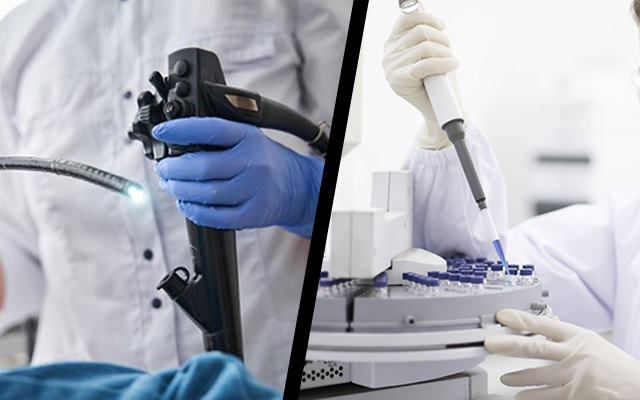
An endoscopy biopsy is a routine medical procedure in which a tiny tissue sample is collected using microtools during an endoscopic exam.
It is performed to confirm diagnoses that the naked eye cannot verify, such as H. pylori infections and specific types of inflammation (Gastritis/IBD), or to rule out cellular changes such as dysplasia and cancer.
Is it painful? What you might feel during and after
What You Might Feel During the Procedure
- Sedation Effect: Most patients experience moderate sedation, making them relaxed and unaware of the procedure, with little to no pain.
- Throat Sensations: You might feel a gagging sensation as the tube passes, though a throat spray is used to numb the area.
- Pressure/Bloating: Air in the digestive tract expands, causing a feeling of fullness or mild pressure.
- Biopsy Sensation: A tissue sample is taken, but this is usually painless.
What happens after an endoscopy biopsy?
- Sore Throat: A mild sore throat may occur, lasting 1–2 days.
- Bloating and Gas: Mild bloating or gas can happen as air passes naturally.
- Grogginess: The sedative may leave you feeling tired for up to an hour.
- Nausea: Mild nausea is possible but rare if strong sedation is used.
Common Reasons Doctors Take Tissue Samples
Doctors may recommend tissue samples (biopsies) for various reasons, helping to identify, diagnose, or monitor a range of health conditions. Here are some of the most common reasons:
To Check for Infection (e.g., H. pylori)
- Biopsies are commonly used to detect bacterial infections, especially through the H pylori biopsy test during endoscopy, which is closely linked to stomach ulcers and other gastrointestinal issues. By analysing the tissue sample, doctors can accurately confirm the presence of this infection and start targeted treatment at the right time.
To Identify Inflammation (e.g., Gastritis, Colitis, IBD Patterns)
- Tissue samples are also taken to evaluate inflammation in the digestive tract. Conditions like gastritis, colitis, and inflammatory bowel disease (IBD) may cause symptoms that overlap with other conditions, and a biopsy can help doctors pinpoint the cause and determine the right treatment.
To Evaluate Ulcers, Polyps, and Suspicious Growths
- When doctors detect ulcers, polyps, or other suspicious growths during imaging or endoscopy, they may take a biopsy to evaluate them. A biopsy can provide vital information about their nature, whether they are benign, precancerous, or cancerous.
To Rule Out or Confirm Cancer and Pre-cancer Changes
- Biopsies play a critical role in diagnosing cancer or detecting pre-cancerous changes. By examining tissue samples, doctors can assess the extent of the disease, whether it’s localised or spreading, and plan the best course of treatment.
These tissue samples help doctors make accurate diagnoses, monitor diseases, and ensure you receive the most effective treatment.
At Long Life Speciality Clinic, advanced endoscopy in Mukundapur can provide precise samples, enabling effective treatment plans for infection-related conditions.
What Happens to the Tissue Sample After It’s Taken?
After the biopsy, the tissue sample goes through a fascinating and precise journey in the lab. Here’s a breakdown of the process in easy-to-understand steps:
| Step | What Happens | Why It’s Important |
| Step 1: Labelling + Preservative (Fixation) | The sample is carefully labelled and placed in a preservative solution to prevent decay. | This ensures that the tissue remains intact, maintaining its structure and chemical makeup for accurate testing. |
| Step 2: Processing and Embedding in Wax (Paraffin Block) | The tissue is processed to remove water, then embedded in a wax block for easy handling. | This step “preserves” the tissue in a solid form, making it easier to cut thin sections for examination. |
| Step 3: Thin Slicing + Staining (H&E and Special Stains) | The tissue block is sliced into ultra-thin sections, then stained with Hematoxylin and Eosin (H&E) or special stains if needed. | Slicing makes the tissue visible under a microscope, and staining highlights different cellular structures, helping pathologists identify abnormalities. |
| Step 4: Pathologist Review and Report | A pathologist examines stained slides under a microscope and diagnoses based on the tissue’s appearance. A detailed report is created. | The pathologist’s report provides crucial information on the presence of disease, infection, inflammation, or cancer, which guides your treatment plan. |
How Long Do Endoscopy Biopsy Results Take?
The time it takes to receive biopsy results can vary depending on several factors. Lab workload, the need for special stains to highlight specific tissue details, and requests for second opinions can all extend the process. These factors ensure that your results are accurate and thorough.
Understanding Biopsy Results: What the Report Usually Means
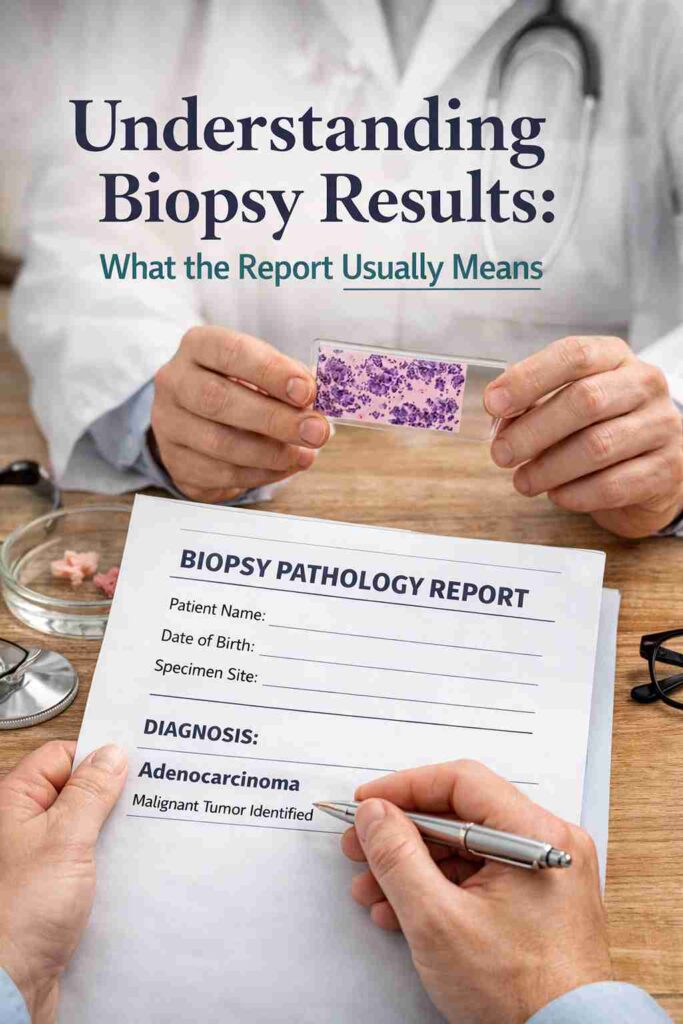
Your biopsy report can feel overwhelming, especially when you’re waiting and wondering how long it takes forendoscopy biopsy results in Kolkata. In most cases, results take a few days, depending on the tests required. Knowing what each term in the report means can help reduce anxiety and guide your next steps with clarity.
“Normal / no significant abnormality” — what happens next
If the biopsy results show “normal” or “no significant abnormality,” it means the tissue sample shows no concerning changes. Your doctor may recommend routine follow-ups and regular check-ups, but no immediate treatment is necessary. You will likely be scheduled for regular screenings based on your overall health and risk factors to monitor for any future concerns.
“Inflammation” — typical causes and follow-up plan
When inflammation is detected, it indicates irritation or response to an underlying condition, such as infections, autoimmune diseases, or gastritis and colitis. Your doctor will identify the cause and may prescribe treatments like antibiotics or anti-inflammatory medications. Follow-up exams and possibly additional biopsies will help monitor treatment effectiveness and manage the condition.
“Dysplasia / pre-cancer change” — what doctors usually recommend next
Dysplasia or pre-cancer changes, like those seen in Barrett’s oesophagus, require careful endoscopic monitoring. Surveillance biopsies are necessary to track potential progression from intestinal metaplasia to dysplasia and cancer. Regular monitoring ensures timely intervention and better management of potential cancerous changes. (Source)
“Cancer suspected/confirmed”
If cancer is suspected or confirmed from the biopsy, staging tests (such as CT, MRI, or PET scans) will be performed to determine the extent of the disease. Staging helps assess whether cancer has spread and guides the treatment plan, which may include surgery, chemotherapy, radiation, or targeted therapies to achieve the most effective approach.
What Happens Next After the Results? (Next-Step Pathways)
If Infection Is Found: Meds + Confirmation Testing
- Medication: If an infection, such as H. pylori, is detected during an endoscopy biopsy, your doctor will prescribe antibiotics or other medications to treat it effectively.
- Confirmation Testing: After treatment, follow-up testing (such as breath or stool tests) may be performed to confirm that the infection has been cleared. This ensures that the infection is fully resolved and prevents recurrence.
If Polyps Were Removed: Surveillance Intervals and Why Follow-Ups Matter
- Surveillance Intervals: If polyps were removed during the biopsy, your doctor will set up regular surveillance intervals (often within 1 to 3 years) to monitor for any new polyps or abnormalities.
- Why Follow-Ups Matter: Regular follow-up screenings help ensure that any potential pre-cancerous polyps or growths are detected early, reducing the risk of developing cancer in the future. Monitoring is especially important if the polyps have abnormal features.
If Symptoms Persist but Biopsy Is Negative: What Further Evaluation May Look Like
- Additional Testing: If your symptoms continue despite a negative biopsy, further testing may be needed, such as advanced imaging (CT scans, MRIs) or functional tests (e.g., motility studies for the digestive tract).
- Referral to Specialists: Your doctor may refer you to a specialist, such as a gastroenterologist or pain management expert, to investigate other possible causes.
- Re-evaluation of Diagnosis: Persistent symptoms may prompt a re-evaluation of the initial diagnosis, considering conditions such as functional gastrointestinal disorders, autoimmune diseases, or psychosomatic factors.
Aftercare: What’s Normal After Endoscopy/Colonoscopy Biopsy (and What’s Not)
After an endoscopy or colonoscopy biopsy, mild soreness, bloating, or small streaks of blood are common and usually settle within a few days. While waiting for your colonoscopy biopsy results, it’s important to keep an eye on your symptoms. If you notice anything unusual—like heavy bleeding, severe pain, fever, or dizziness—it may indicate a complication and needs immediate medical attention.
Normal Symptoms After Endoscopy
Mild soreness, such as a sore throat or discomfort, is common and typically resolves within a day or two. Bloating or a feeling of fullness in the abdomen from air introduced during the procedure is normal and usually goes away in a few hours. Small streaks of blood in your stool, especially after polyps or tissue samples are taken, should resolve within a few days.
When to Seek Urgent Care
Seek medical attention for heavy or persistent bleeding, severe abdominal pain, fever over 100.4°F (38°C), or dizziness, which could indicate complications.
Quick Summary: What You Should Know About Endoscopy Biopsy
An endoscopy with biopsy helps doctors go beyond visual findings to confirm the exact cause of your symptoms—whether it’s an infection, inflammation, or something more serious.
The process is simple, usually painless, and the tissue sample goes through detailed lab analysis before results are shared.
Book a consultation at Long Life Speciality Clinic to get an endoscopy in Mukundapur today.
Call for more information +91 8334073407.
People Also Ask
Does a biopsy mean cancer is suspected?
A biopsy helps doctors investigate suspicious areas to determine if they are cancerous, but it doesn’t necessarily mean cancer is present. Biopsies are common, safe procedures used to detect cancer, infections, or inflammation, often ruling out cancer altogether.
Can a biopsy miss something? When repeat endoscopy is advised
Yes, an endoscopic biopsy can miss a diagnosis, with studies estimating that 4.6% to 25.8% of gastric cancers are missed at initial endoscopy.