
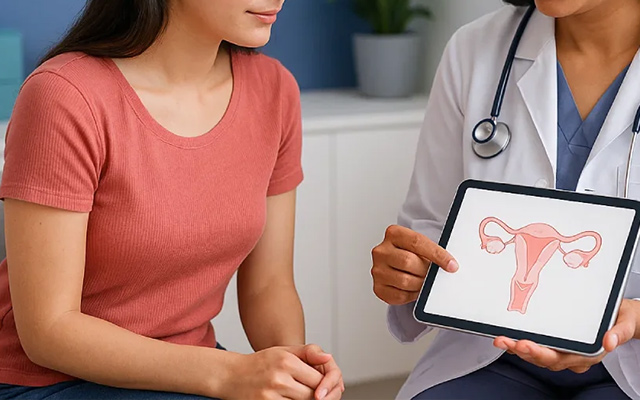
Many women live with heavy periods, pelvic pain, bloating, painful cramps, or irregular bleeding for months. Some even treat these symptoms as “normal women’s problems.”
But here’s the truth:
Discomfort that affects your daily life is not something you should simply adjust to.
In this blog, we explain symptoms women should not ignore. We will also discuss when gynaecological surgery may be needed.
What problems does a gynaecological surgeon treat?
A gynaecological surgeon treats conditions related to the uterus, ovaries, fallopian tubes, cervix, and pelvic region. These problems may start with mild symptoms but can become more difficult when ignored.
Gynaecological surgeons at Long Life Speciality Clinic can help with menstrual problems, chronic pelvic pain, ovarian cysts, uterine fibroids, endometriosis, and abnormal uterine bleeding.
They also provide guidance for surgical procedures such as hysterectomy and laparoscopic gynaecological surgery when needed.
Heavy menstrual bleeding: When is it more than a difficult period?
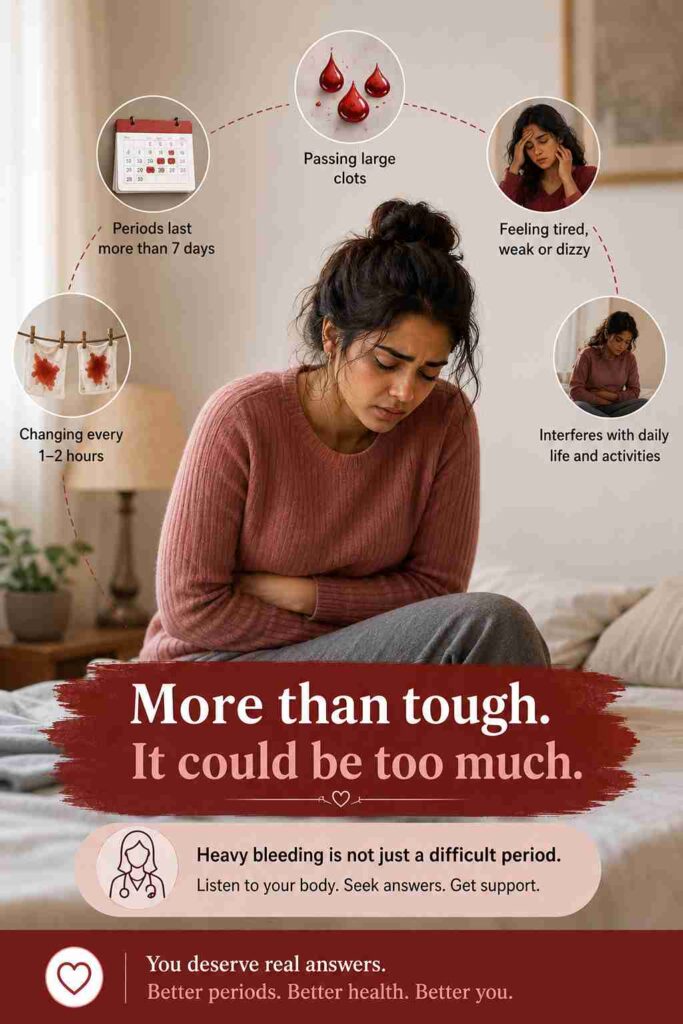
Heavy menstrual bleeding is not just about using extra pads. It can affect your energy, work, sleep, mood, and health. Some women also develop low haemoglobin because of repeated blood loss.
If you need to change pads very often, pass large clots, or feel weak during periods, you should consider medical evaluation. Timely heavy menstrual bleeding treatment can help prevent complications and improve quality of life.
Signs of heavy menstrual bleeding
Watch out for:
- Bleeding that lasts more than 7 days
- Soaking pads or tampons very quickly
- Passing large blood clots
- Feeling dizzy or weak during periods
- Needing to change protection at night
- Severe cramps with heavy flow
- Tiredness due to low haemoglobin
What can cause heavy bleeding?
Heavy bleeding may happen due to several reasons, such as:
- Uterine fibroids
- Hormonal imbalance
- Uterine polyps
- Adenomyosis
- Endometriosis
- Thyroid disorders
- Blood clotting problems
Symptoms and possible gynaecological causes
| Symptom | Possible cause | When to consult a doctor |
| Heavy periods | Fibroids, polyps, and hormonal imbalance | If bleeding affects daily routine |
| Pelvic pain | Endometriosis, ovarian cysts, infection | If pain lasts for months |
| Irregular bleeding | Hormonal issues, polyps, fibroids | If bleeding happens between periods |
| Bloating with pressure | Fibroids or ovarian cysts | If it feels persistent or painful |
| Severe period cramps | Endometriosis or adenomyosis | If painkillers do not help |
| Pain during intimacy | Endometriosis, infection, adhesions | If it happens repeatedly |
Chronic pelvic pain: Why “adjusting” is not the answer
Pelvic pain that lasts for months should never be brushed aside. It may feel dull, sharp, cramp-like, or pressure-like. For some women, it gets worse during periods. For others, it may appear during urination, bowel movements, or intimacy.
The chronic pelvic pain treatment starts with finding the cause. Without diagnosis, painkillers may only give temporary relief.
Common causes of chronic pelvic pain
Chronic pelvic pain may be linked to:
- Endometriosis
- Ovarian cysts
- Uterine fibroids
- Pelvic infections
- Adenomyosis
- Pelvic adhesions
- Bladder-related conditions
- Bowel-related issues
How chronic pelvic pain is diagnosed
Doctors may suggest:
- Detailed medical history
- Pelvic examination
- Ultrasound
- Blood tests
- MRI in selected cases
- Diagnostic laparoscopy when required
Uterine fibroids: Small growths that can create big problems
Fibroids are non-cancerous growths that develop in or around the uterus. Some women may not notice any symptoms. Others may experience heavy bleeding, pelvic pressure, painful periods, frequent urination, or fertility concerns.
The need for uterine fibroid treatment depends on the size, number, and location of the fibroids. It also depends on the woman’s age, symptoms, and pregnancy plans.
Symptoms that may suggest fibroids
Common signs include:
- Heavy or painful periods
- Lower abdominal heaviness
- Pelvic pressure
- Frequent urination
- Constipation
- Back pain
- Difficulty getting pregnant
- Repeated miscarriage in selected cases
Treatment options for uterine fibroids
Treatment may include:
- Medicines to control bleeding
- Hormonal treatment
- Iron support for anaemia
- Regular monitoring
- Myomectomy
- Laparoscopic fibroid surgery
- Hysterectomy in selected cases
Ovarian cysts: When do they need surgery?
Ovarian cysts are fluid-filled sacs that form in or on the ovary. Many cysts are harmless and may go away naturally. However, some cysts can cause pain, bloating, irregular periods, or emergency symptoms.
A doctor may suggest monitoring, medicines, or ovarian cyst surgery depending on the cyst’s size, type, and symptoms.
Symptoms of ovarian cysts
You may notice:
- One-sided pelvic pain
- Bloating
- Pain during periods
- Pain during intimacy
- Irregular periods
- Sudden severe abdominal pain
- Nausea or vomiting in emergency cases
When ovarian cyst surgery may be advised
Surgery may be needed if:
- The cyst is large
- Pain is severe
- The cyst twists
- Ultrasound findings look suspicious
- Fertility is affected
- Symptoms keep returning
Endometriosis
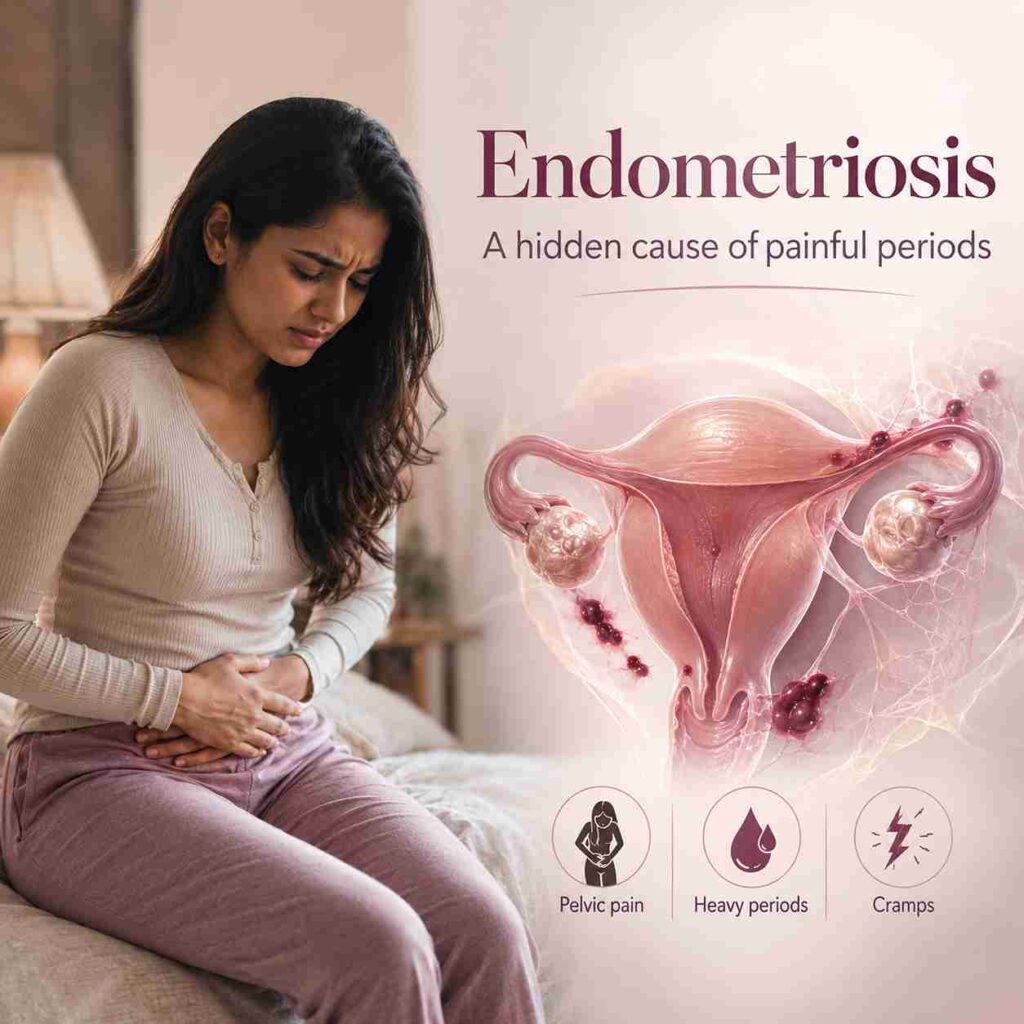
Many women with endometriosis are told that painful periods are normal. They are not. Severe period pain that affects daily life deserves proper care.
Endometriosis is a condition where tissue similar to the uterus lining grows outside the uterus. This can cause pain, swelling, scarring, and fertility problems.
Symptoms of endometriosis
Common symptoms include:
- Severe period pain
- Chronic pelvic pain
- Pain during intimacy
- Pain during bowel movements
- Heavy bleeding
- Fatigue
- Difficulty conceiving
- Pain that worsens over time
Treatment options for endometriosis
Treatment may include:
- Pain relief medicines
- Hormonal medicines
- Lifestyle support
- Laparoscopic surgery
- Fertility-focused treatment
- Long-term follow-up care
Treatment options based on condition
| Condition | Non-surgical options | Surgical options |
| Heavy menstrual bleeding | Medicines, hormonal therapy, and iron support | Hysteroscopy, fibroid removal, hysterectomy in selected cases |
| Uterine fibroids | Medicines, hormonal treatment, monitoring | Myomectomy, laparoscopic surgery, hysterectomy |
| Ovarian cysts | Observation, medicines, follow-up ultrasound | Laparoscopic cyst removal |
| Endometriosis | Pain relief, hormonal medicines | Laparoscopic endometriosis surgery |
| Chronic pelvic pain | Medicines, physiotherapy, lifestyle guidance | Diagnostic or operative laparoscopy |
| Abnormal uterine bleeding | Hormonal treatment, medicines | Hysteroscopy or surgery based on the cause |
Laparoscopic gynaecological surgery: Smaller cuts, focused treatment
Laparoscopic surgery is also called keyhole surgery. In this procedure, the surgeon makes small cuts and uses a camera with special instruments to view and treat pelvic organs.
Many patients prefer laparoscopic gynaecological surgery because it usually involves smaller cuts and faster recovery in suitable cases.
Why is laparoscopy commonly preferred?
Benefits may include:
- Smaller cuts
- Less visible scarring
- Shorter hospital stay in many cases
- Faster recovery
- Less post-surgery discomfort
- Earlier return to routine
- Better view of pelvic organs during surgery
Conditions treated with laparoscopic surgery
Laparoscopy may be used for:
- Ovarian cysts
- Fibroids
- Endometriosis
- Pelvic adhesions
- Ectopic pregnancy
- Diagnostic pelvic pain cases
- Hysterectomy in selected patients
At Long Life Speciality Clinic in Mukundapur, experienced gyno surgeons provide proper evaluation and guidance to decide whether laparoscopic surgery is the right option for each patient.
Hysterectomy surgery
Hysterectomy means surgical removal of the uterus. It is not usually the first treatment option. Doctors may advise it when symptoms are severe, other treatments fail, or the condition affects quality of life.
Hysterectomy surgery may be considered for selected patients with severe bleeding, large fibroids, adenomyosis, prolapse, or other serious uterine conditions.
Conditions where hysterectomy may be needed
It may be considered in cases of:
- Large or multiple fibroids
- Severe abnormal uterine bleeding
- Adenomyosis
- Uterine prolapse
- Recurrent bleeding after other treatments
- Certain cancer-related conditions
Types of hysterectomy patients may hear about
Common types include:
- Total hysterectomy
- Partial hysterectomy
- Vaginal hysterectomy
- Abdominal hysterectomy
- Laparoscopic hysterectomy
Your symptoms deserve answers, not adjustment
Heavy periods, pelvic pain, painful cramps, fibroids, ovarian cysts, and endometriosis should not be ignored. These symptoms may be common, but that does not make them normal.
The right diagnosis can help you choose the right treatment at the right time. If these symptoms are affecting your routine, book a consultation at Long Life Speciality Clinic in Mukundapur and speak to experienced gyno surgeons.
Call + 91 8334073407 / +91 9874807480 today.
People Also Ask
1. When should a woman consult a gynecological surgeon?
A woman should consult a gynecological surgeon if she has heavy bleeding, chronic pelvic pain, irregular periods, ovarian cyst symptoms, fibroids, or endometriosis-related pain.
2. What causes heavy menstrual bleeding in women?
Heavy menstrual bleeding may be caused by fibroids, hormonal imbalance, polyps, adenomyosis, endometriosis, thyroid problems, or abnormal uterine bleeding. The exact cause can be identified through proper medical evaluation.
3. Can chronic pelvic pain be a sign of a serious gynaecological problem?
Yes, chronic pelvic pain may be linked to endometriosis, ovarian cysts, fibroids, pelvic infections, or adhesions. If the pain lasts for months or affects daily life, it should not be ignored.
4. When do ovarian cysts or fibroids need surgery?
Ovarian cysts or fibroids may need surgery if they are large, painful, persistent, affect fertility, or cause heavy bleeding. The treatment depends on the size, symptoms, and overall health condition.
5. What problems can laparoscopic gynaecological surgery treat?
Laparoscopic gynaecological surgery can treat ovarian cysts, fibroids, endometriosis, pelvic adhesions, ectopic pregnancy, and selected hysterectomy cases. It is often preferred because it involves smaller cuts and faster recovery.