
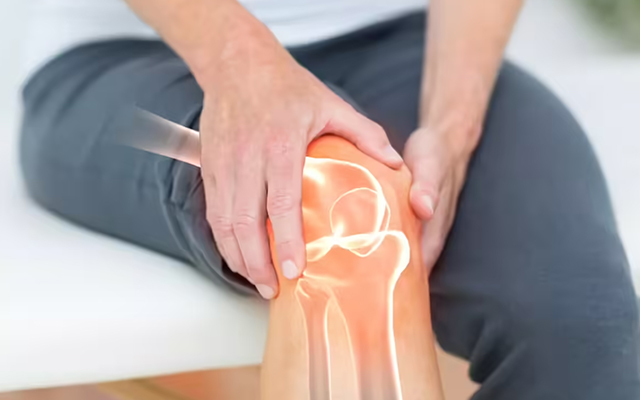
Modern habits like excessive screen time, poor posture, and overexertion are contributing to increasing joint pain in young adults.
In recent years, the prevalence of joint pain among young adults has been steadily increasing, raising alarms among medical professionals. While joint pain is often associated with ageing, a growing number of young people in their 20s and 30s are suffering from conditions that were once considered age-related.
But why is this happening? This blog will give you the answer.
Causes of Joint Pain in Young Adults
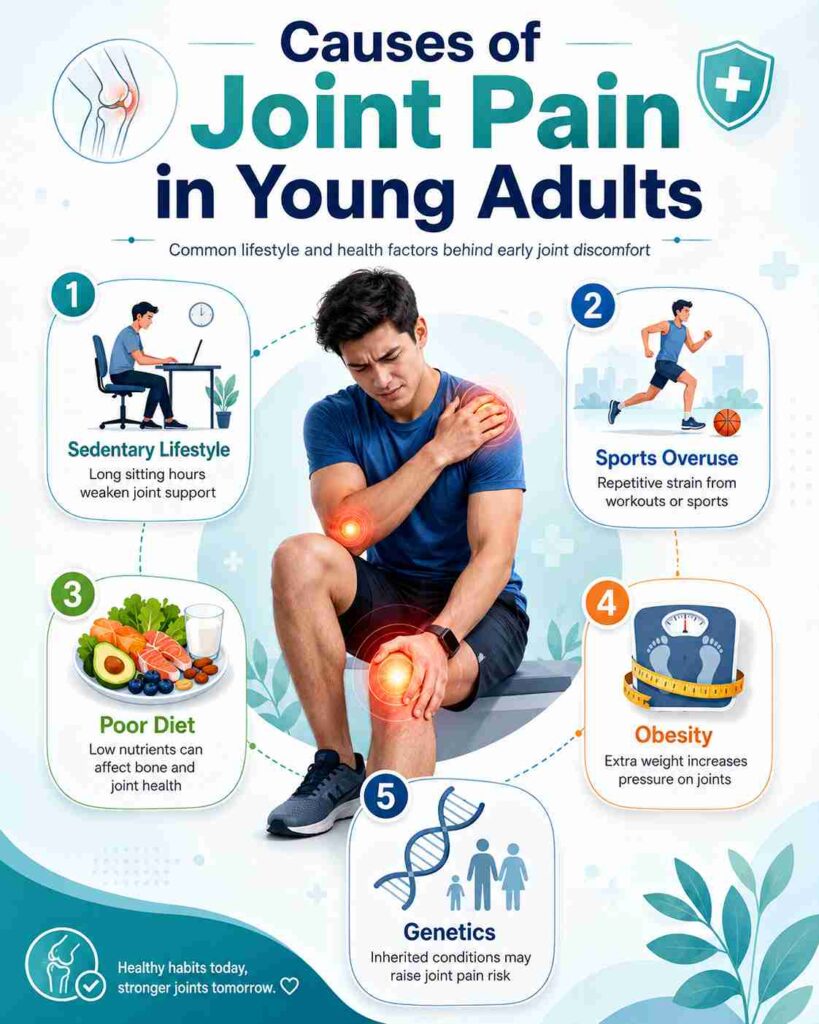
Joint pain in young adults is becoming increasingly common, and understanding the underlying causes is the first step toward finding relief.
However, several factors contribute to early-onset joint issues.
1. Sedentary Lifestyle
With the rise of desk jobs, online schooling, and extended screen time, young adults are becoming more sedentary. The lack of physical activity causes muscles to weaken, making the joints less stable and prone to injury and pain.
2. Overuse from Sports and Physical Activity
While exercise is essential, overexertion can lead to repetitive stress injuries. Intense workouts or contact sports, such as football and basketball, can cause long-term joint strain and even lead to chronic pain or conditions like tendonitis and bursitis.
3. Poor Diet and Nutrient Deficiency
A poor diet, particularly one lacking essential nutrients such as Vitamin D, calcium, and omega-3 fatty acids, contributes to weak bones and joint problems. Nutritional gaps can cause the body to struggle in maintaining proper joint lubrication, leading to stiffness and discomfort.
4. Obesity
Carrying extra weight puts additional strain on the joints, especially in weight-bearing areas like the knees and hips. This can accelerate the wear and tear of the cartilage, leading to pain and potentially early-onset osteoarthritis.
5. Genetics and Inherited Conditions
Some young adults are genetically predisposed to conditions such as rheumatoid arthritis and juvenile arthritis, both of which lead to chronic joint pain and inflammation.
Seeking expert care for joint pain? Long Life Speciality Clinic offers consultations with bone specialist doctors in Mukundapur, who will help identify the causes and guide you through effective treatment options.
Symptoms You Shouldn’t Ignore
Joint pain in young adults may not always present in the same way as it does in older individuals. Often, the pain is subtle at first and may be dismissed as “normal.” However, it can quickly escalate if left untreated.
Here are some common symptoms to watch for:
| Symptom | Description |
| Joint Stiffness | Difficulty moving joints smoothly after rest. |
| Tenderness Around Joints | Painful sensitivity in the joint area when touched. |
| Audible Joint Sounds | Popping or cracking noises when moving the joint. |
| Difficulty with Movement | Struggling to perform everyday actions due to pain. |
| Swelling in Joints | Visible or noticeable swelling in and around the joint area. |
| Weakness in the Joint | Reduced strength or instability in the joint during movement. |
How a Bone Specialist Can Help
Experiencing joint pain requires more than just temporary relief; it calls for a thorough evaluation to determine the cause. A bone specialist will help diagnose the issue and offer a range of treatment options to address your pain.
Methods to treat joint problems
Diagnosis
A bone specialist will begin with a physical examination and may request imaging tests such as X-rays, MRIs, or CT scans to pinpoint the root cause of the joint pain. Blood tests may also be conducted to rule out underlying conditions such as rheumatoid arthritis.
Treatment Options
Once the cause of your joint pain is identified, your bone specialist will discuss appropriate treatment options:
This table will help you identify the best treatment options:
| Treatment Option | Description | Suitable For | Expected Duration |
| Physical Therapy | Strengthens muscles, improves mobility, and reduces inflammation. | Mild to moderate joint pain from overuse or inactivity. | 6-8 weeks for improvement |
| Medications | Anti-inflammatory drugs or pain relievers to reduce pain and swelling. | Acute pain, inflammation, or autoimmune joint conditions. | Short-term relief, a few hours to a day |
| Injections | Corticosteroid or hyaluronic acid injections to reduce pain and inflammation. | Chronic arthritis or joint injuries. | 3-6 months of relief |
| Surgery | Arthroscopy or joint replacement surgery to restore function and alleviate severe pain. | Severe arthritis or joint degeneration. | 1-2 years recovery |
Preventing Joint Pain: Simple Lifestyle Changes for Stronger Joints
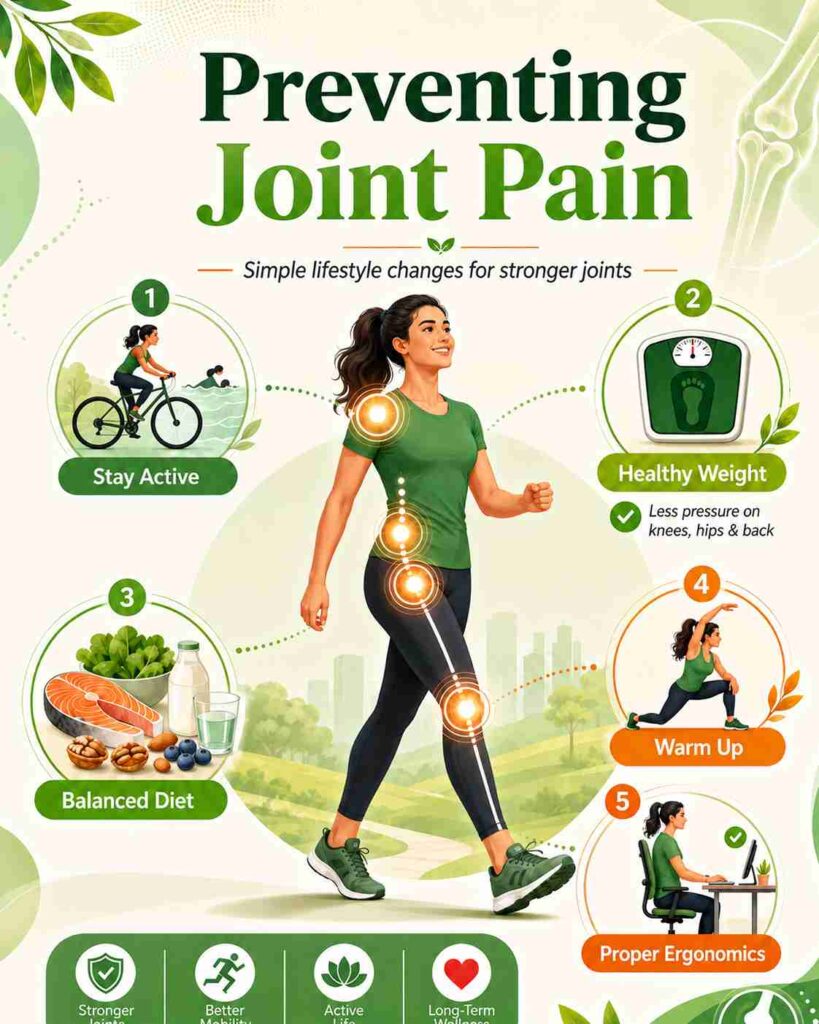
Did you know that maintaining a healthy weight can reduce pressure on your joints? Excess weight strains your knees, hips, and back, leading to pain.
Here are some more points that can help protect your joints and prevent pain:
- Stay Active: Regular exercise, especially low-impact activities like swimming, walking, or cycling, helps keep your joints flexible and strong.
- Maintain a Healthy Weight: Keeping your weight in check reduces stress on your joints, especially in weight-bearing areas like your knees and hips.
- Eat a Balanced Diet: Include foods rich in calcium, Vitamin D, and omega-3 fatty acids to support joint health. Also, stay hydrated to maintain healthy cartilage.
- Warm Up Before Exercise: Stretching before physical activities can prevent strain and injury.
- Use Proper Ergonomics: Make sure your work setup and daily movements are not putting undue strain on your joints.
Why You Need a Bone Specialist for Joint Pain
The rising number of joint pain cases in young adults highlights the need for professional care. A bone specialist offers a detailed, personalised approach to diagnosing and treating joint pain, helping you understand the underlying causes and the best course of action.
Personalised Care for Every Joint Pain Issue
Bone specialists offer a complete care journey from diagnosis to recovery. They not only focus on managing the pain but also treat the underlying cause. Whether it involves medications, physical therapy, injections, or surgery, their approach is customised to suit your condition and lifestyle, ensuring quicker recovery and effective prevention of future joint issues.
Preventing Future Joint Damage with Expert Guidance
A bone specialist goes beyond treating pain, working to prevent long-term joint issues. They guide you in making lifestyle changes that foster better joint health.
Proactive care helps prevent future problems, allowing you to stay active and mobile. This all-encompassing approach ensures your joints are safeguarded from excessive stress or damage.
Managing Joint Pain in Young Adults: Expert Care for a Healthier Future
Joint pain is becoming more common among young adults, driven by sedentary lifestyles, overuse injuries, and poor nutrition. Early intervention with a bone specialist is crucial to managing symptoms and preventing long-term damage.
At Long Life Speciality Clinic, we provide a wide range of treatments, from physical therapy to surgical options, to help young adults maintain healthy joints and active lifestyles.
Get expert care for your joints—book an appointment with our bone specialist doctors in Mukundapur today.
Call + 8334073407 / 9874807480
People Also Ask
What are the common causes of joint pain in young adults?
Sedentary lifestyles, sports injuries, poor diet, and obesity are major contributors to joint pain in young adults.
Can joint pain be prevented?
Yes, staying active, maintaining a healthy weight, and eating a nutritious diet are key preventive measures.
How does a bone specialist treat joint pain?
Treatment may involve physical therapy, medication, injections, or, in severe cases, surgery.
What is the recovery time after joint replacement surgery?
Recovery typically takes 1-2 years, with physical therapy playing a significant role in regaining full mobility.
Can joint pain in young adults be a sign of a serious condition?
Yes, persistent joint pain in young adults can indicate conditions like arthritis, tendonitis, or even autoimmune disorders