
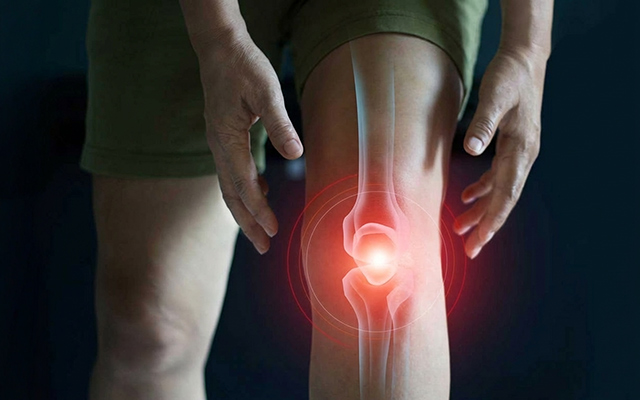
Are you from Kolkata and suffering from bone and joint problems?
If yes, this blog is for you.
As a coastal city, Kolkata has a humid winter rather than a harsh one. Still, the combination of cold air, moisture, reduced sunlight, and inactivity impacts bones and joints more than most people realise.
Understanding what’s happening makes prevention far easier than dealing with pain later. This blog will explain the real reasons behind winter joint pain and share practical steps to protect bone health during colder months.
Why Bones and Joints Feel Different in Winter
Winter doesn’t cause sudden damage. It changes conditions with time. “ Do you know why? “
During winter, blood circulation slows, and muscles tighten more quickly. Joints lose some of their natural lubrication. In a humid city like Kolkata, stiffness tends to feel heavier and more persistent.
This seasonal shift explains “how winter affects bones and joints” for people across all age groups, not just the elderly.
Let’s know how the seasonal changes affect everyday movement and comfort.
- Cold, humidity, and circulation
Cold temperatures cause blood vessels to narrow. This reduces blood flow to joints and muscles, particularly in knees, ankles, wrists, and fingers. Humidity adds another layer by increasing tissue pressure, leading to joint stiffness in a winter humid climate.
- Less sunlight and Vitamin D
Shorter days and foggy mornings reduce exposure to sunlight. Over time, this leads to vitamin D deficiency, affecting calcium absorption and bone strength.
- Reduced movement
Cold mornings discourage walks and exercise. When joints are not moved regularly, stiffness increases, and muscles weaken, making daily activities harder than they should be.
Common Bone and Joint Problems Seen During Winters

Winter doesn’t create new bone problems. It magnifies what’s already there.
That’s why people with mild discomfort often notice their symptoms becoming more frequent during this season. Let us help you know what changes happen:
Joint stiffness and recurring pain
Those with arthritis or old injuries often experience flare-ups. This is why winter arthritis pain management becomes a frequent concern during colder months.
Gradual loss of bone strength
Low Vitamin D levels, reduced activity, and poor nutrition can gradually affect bone density. Over time, this increases fracture risk, especially in older adults.
Muscle tightness and fall risk
Cold muscles stretch less efficiently. Sudden movements without warming up raise the risk of sprains, slips, and falls, particularly on damp winter mornings.
Now that you know what’s causing these problems, the next question is simple: what steps can help prevent them?
This table will help you know the prevention tips:
| What to Do | Why It Helps Bones & Joints in Winter |
| Dress warmly, especially the knees and ankles | Keeps joints flexible and improves circulation |
| Do light daily movement or stretching | Prevents stiffness and maintains joint lubrication |
| Get regular morning sunlight | Supports Vitamin D levels and bone strength |
| Eat calcium- and protein-rich foods | Strengthens bones and supports muscles |
| Warm up before walks or chores | Reduces strain and injury risk |
| Use stable footwear on damp surfaces | Lowers fall and fracture risk |
| Avoid long hours of inactivity | Keeps joints mobile and muscles engaged |
Who Needs Extra Bone and Joint Care During Winter?
Some groups need added attention, especially during the winter months.
- People with arthritis or chronic joint pain
Short, frequent activity sessions work better than long workouts. Heat therapy and joint supports often ease winter discomfort.
- Older adults
Bone density naturally declines with age. Winter increases fall risk, making early evaluation by experienced bone specialist doctors important.
- Children and teenagers
Cold weather should not stop physical activity entirely. Safe movement supports bone growth and coordination.
If winter discomfort is starting to interfere with daily life, it’s worth getting clarity early. Book a consultation at Long Life Speciality Clinic for a bone specialist doctor in Mukundapur.
Winter Myths and Facts About Bone and Joint Pain
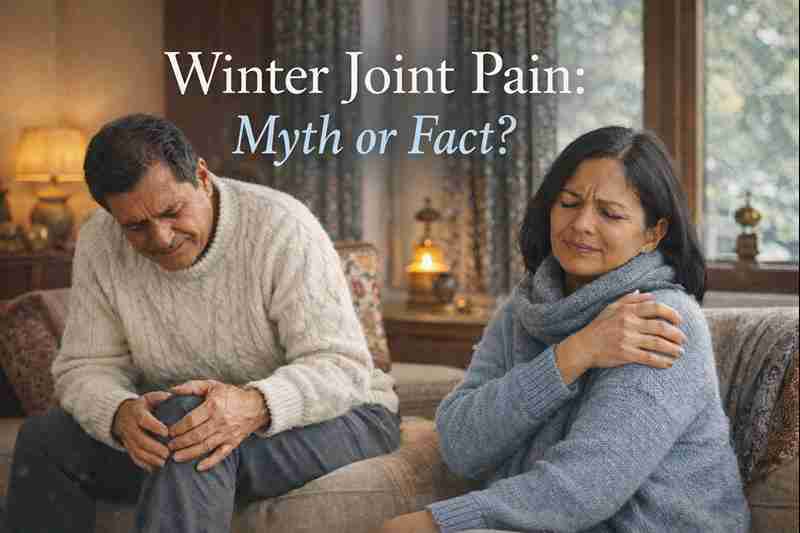
What if winter pain isn’t inevitable, just misunderstood?
Winter is full of half-truths about bones and joints. These myths often delay proper care and make people accept pain as unavoidable. Clearing them up helps people act early and smartly.
Now, with the myths, know about the facts:
Myth 1: Cold weather directly damages bones
Fact:
- Cold does not weaken or damage bones
- It mainly causes muscles and joints to stiffen
- Reduced circulation increases discomfort, not damage
Pain increases due to stiffness and inactivity, not bone deterioration.
Myth 2: Joint pain in winter is only an old-age problem
Fact:
- Young adults also experience winter stiffness
- Office workers, drivers, and sedentary individuals are commonly affected
- Old injuries often resurface during cold weather
Winter joint pain can affect people of any age, not just seniors.
Myth 3: Resting more helps joints recover in winter
Fact:
- Too much rest increases stiffness
- Lack of movement weakens muscles that support joints
- Gentle activity actually improves flexibility
Better approach:
- Short walks
- Light stretching
- Simple home exercises
Myth 4: Painkillers are the best solution for winter joint pain
Fact:
- Painkillers only mask symptoms
- They do not address stiffness, weakness, or nutrient gaps
- Overuse can cause stomach or kidney issues
Long-term relief comes from movement, nutrition, warmth, and medical guidance, not just tablets.
Myth 5: Warm clothing is enough to protect joints
Fact:
- Warm clothes help, but are not sufficient alone
- Muscles still need movement to stay flexible
- Joints need nutrition and circulation support
Winter care works best when warmth, movement, and diet are combined.
Myth 6: Vitamin D deficiency is only a summer concern
Fact:
- Vitamin D levels often drop more in winter
- Fog, shorter days, and indoor routines reduce sun exposure
- Low Vitamin D affects bone strength and muscle recovery
This makes winter a high-risk season for hidden deficiencies.
Myth 7: Joint pain in winter will go away on its own
Fact:
- Mild stiffness may settle, but recurring pain often worsens
- Ignoring early signs can lead to mobility issues
- Early evaluation prevents long-term complications
Now, as you know about the myths and facts, let’s give you a summary of them.
Takeaways From Myths vs Facts
- Winter pain is triggered, not caused, by cold
- Lifestyle habits matter more than weather alone
- Early prevention is easier than late treatment
- Consistent care protects joints across all ages
Winter Nutrition That Supports Bone Health
Diet becomes even more important when movement drops during winter.
| Nutrient | Why It Helps in Winter | Common Indian Sources |
| Calcium | Maintains bone density | Milk, curd, paneer, sesame |
| Protein | Strengthens muscle support | Eggs, fish, dal, legumes |
| Vitamin D | Improves calcium absorption | Sunlight, fortified foods |
| Magnesium | Reduces muscle tightness | Nuts, seeds, leafy greens |
Simple Winter Bone & Joint Care Checklist
- Daily light movement
- Morning sunlight exposure
- Warm clothing for joints
- Protein-rich meals
- Slip-resistant footwear
- Medical advice if pain persists
Smart Winter Habits Keep Bones Strong
Kolkata’s winter quietly exposes weak routines rather than weak bones. Staying warm, active, and well-nourished helps prevent most seasonal joint problems. Early attention makes winter manageable instead of painful.
Call +91 8334073407 to book an appointment at Long Life Speciality Clinic and consult a trusted bone specialist doctor in Mukundapur for comprehensive winter care for bones and joints.
People Also Ask (FAQs)
Does winter permanently worsen joint problems?
Winter triggers symptoms but does not permanently damage joints.
Why does joint pain feel worse in humid winters?
Humidity increases joint pressure and stiffness sensation.
Can low Vitamin D increase winter joint pain?
Yes, it weakens bone-muscle support systems.
Is exercise safe for joints during winter?
Gentle exercise reduces stiffness and improves circulation.
When should joint pain be medically evaluated?
Persistent pain, swelling, or reduced mobility needs assessment.