
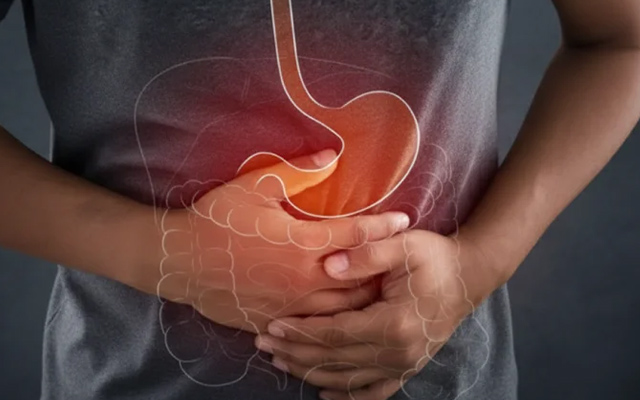
Digestive problems are extremely common. Almost everyone experiences occasional bloating, gas, acidity, stomach discomfort or changes in bowel habits after eating certain foods, travelling, stress or lifestyle changes. However, when these symptoms start repeating frequently, it becomes important to understand whether they are just temporary digestive trouble or something more persistent like Irritable Bowel Syndrome (IBS).
Many people confuse IBS with normal indigestion because both can cause abdominal pain, bloating and discomfort. The key difference lies in the pattern, duration and recurrence of symptoms.
Understanding the difference between IBS and indigestion can help you decide when lifestyle changes are enough and when professional medical advice is needed.
What Is Considered Normal Digestive Trouble?
Normal digestive trouble usually happens occasionally and is often linked to a specific trigger. It may occur after overeating, consuming spicy or oily food, eating too quickly, experiencing stress or having a temporary stomach infection.
These symptoms generally improve once the trigger is removed and the digestive system gets time to recover. Occasional stomach upset does not necessarily mean you have IBS.
Common Signs of Temporary Digestive Upset
Temporary digestive discomfort may include:
- Mild abdominal pain or cramps
- Occasional bloating
- Gas formation
- Acidity or indigestion
- Temporary changes in stool consistency
- Feeling uncomfortable after certain meals
For most people, these symptoms settle within a short period. However, recurring stomach problems with altered bowel habits may require further evaluation.
What Does an IBS Flare-Up Usually Feel Like?
An IBS flare-up refers to a period when symptoms suddenly become more noticeable or intense. IBS symptoms in adults can vary from person to person, but common complaints include recurrent stomach pain, bloating, constipation, diarrhoea or a combination of both.
People with IBS may experience changes such as:
- Abdominal pain that improves after passing stool
- Frequent urge to use the toilet
- Bowel urgency
- Feeling of incomplete bowel evacuation
- Alternating constipation and diarrhoea
IBS is commonly classified into different types, including IBS-C (constipation-predominant), IBS-D (diarrhoea-predominant) and IBS-M (mixed type).
Why Do IBS Symptoms Keep Coming Back?
Unlike a one-time digestive disturbance, IBS often follows a recurring pattern. Symptoms may improve for some time and return again due to certain triggers.
IBS is linked to the complex relationship between the digestive system and nervous system, known as the gut–brain interaction. Stress, poor sleep, hormonal changes, infections and certain foods can contribute to an IBS flare-up.
IBS vs Normal Digestive Trouble—What Are the Main Differences?
Understanding the difference between IBS and normal stomach upset can help identify when symptoms need attention.
| Feature | Normal Digestive Trouble | IBS |
|---|---|---|
| Duration | Usually short-term and improves quickly | Symptoms may continue or return over months |
| Pain pattern | Often linked to a specific food or event | Recurrent abdominal pain often related to bowel movements |
| Bowel changes | Temporary stool changes | Repeated constipation, diarrhoea or both |
| Bloating | Occasional | Frequent and recurring |
| Triggers | Overeating, infection, food habits | Food, stress, lifestyle and gut sensitivity |
| Recovery | Usually resolves without ongoing issues | Requires symptom management and medical guidance |
How Long Should Digestive Symptoms Last Before You Suspect IBS?
People often ask, “How long do IBS symptoms last?” IBS is not diagnosed based on a single episode of stomach pain or bloating. Doctors usually look for a repeated pattern of symptoms over time.
If you frequently experience recurrent stomach pain, bowel changes, bloating, constipation or diarrhoea, it may be worth discussing with a healthcare professional.
Keep a Two-Week Digestive Symptom Diary
A digestive symptom diary can help identify patterns and possible triggers. Track:
- Foods and drinks consumed
- Timing of symptoms
- Stool consistency
- Frequency of bowel movements
- Stress levels
- Sleep patterns
- Episodes of abdominal pain or bloating
This information can help a doctor understand whether symptoms are related to IBS, food intolerance or another digestive condition.
Is It IBS If You Have Bloating but No Diarrhoea?
Bloating is one of the most common digestive complaints, but bloating alone does not confirm IBS. Many conditions, including food intolerance, constipation, changes in gut bacteria and dietary habits, can cause bloating.
Some people also wonder, “Can IBS cause constipation without diarrhoea?” The answer is yes. IBS-C is a type of IBS where constipation is the main bowel-related complaint.
However, proper evaluation is important because constipation can have several causes. Frequent bloating with changes in bowel habits should be assessed rather than self-diagnosed.
Bloating Alone Does Not Confirm IBS
Occasional bloating after meals is common. It becomes more concerning when it is associated with:
- Repeated abdominal pain
- Persistent bowel changes
- Difficulty passing stool
- Feeling of incomplete bowel evacuation
- Frequent symptom flare-ups
Can Gas, Acidity or Indigestion Be Mistaken for IBS?
Yes, gas, acidity and indigestion can sometimes feel similar to IBS. Many people assume they have IBS when they actually have another digestive issue.
Pay Attention to Where and When the Discomfort Appears
The timing and location of discomfort can provide useful clues. For example:
- Burning discomfort after meals may suggest acidity-related issues
- Upper abdominal fullness may be related to indigestion
- Lower abdominal pain with bowel changes may be more suggestive of IBS
A proper evaluation helps differentiate IBS from other gastrointestinal conditions.
Which Foods Commonly Trigger IBS-Like Symptoms?
Food triggers vary from person to person. Some individuals notice symptoms after consuming:
- High-fat foods
- Spicy meals
- Certain dairy products
- Artificial sweeteners
- Carbonated drinks
- Foods high in fermentable carbohydrates
However, avoiding food and feeling better does not automatically prove you have IBS. Some foods may temporarily irritate the digestive system without being the actual cause of IBS.
A structured approach with guidance from a healthcare professional can help identify genuine triggers without unnecessary food restrictions.
When Are Stomach Problems More Serious Than IBS?
While IBS is a common functional digestive disorder, some symptoms should not be ignored. Certain warning signs may indicate conditions that require further investigation.
Do Not Keep Treating Red-Flag Symptoms With Antacids
Seek medical advice if you experience:
- Unexplained weight loss
- Blood in stool
- Persistent vomiting
- Fever
- Anaemia
- Symptoms that start suddenly at an older age
- Severe or worsening abdominal pain
These symptoms should not be assumed to be IBS. Consulting an experienced doctor can help identify the actual cause.
For persistent digestive concerns, you can consult a gastroenterologist to understand your symptoms and receive appropriate guidance.
How Do Doctors Confirm Whether It Is IBS?
There is no single test that confirms IBS. Doctors usually diagnose it by understanding your symptoms, medical history and bowel pattern. They may also recommend tests to rule out other digestive conditions.
Your doctor may consider:
- Symptom history
- Physical examination
- Blood tests
- Stool evaluation
- Other relevant investigations
In some cases, diagnostic pathology tests may be suggested to check for other possible causes of digestive symptoms.
Does Every IBS Patient Need a Colonoscopy?
Many people worry that IBS automatically requires invasive procedures. However, not every person with IBS symptoms needs a colonoscopy.
A colonoscopy may be recommended when doctors need to investigate specific concerns, such as bleeding, abnormal test results, age-related risks or suspected bowel disease.
You can learn more about when this procedure is needed through a proper colonoscopy evaluation.
A detailed discussion with a healthcare professional helps determine whether further tests are necessary. In some cases, a general medicine consultation may also be the first step for evaluating recurring digestive complaints.
What Should You Do When Digestive Problems Keep Returning?
If stomach problems keep coming back, avoid repeatedly treating symptoms without understanding the cause. Start by tracking your symptoms, identifying possible triggers and maintaining healthy digestive habits.
Helpful steps include:
- Eating a balanced diet
- Staying hydrated
- Maintaining regular meal timings
- Managing stress
- Getting adequate sleep
- Avoiding unnecessary food restrictions
Persistent digestive symptoms deserve proper attention rather than temporary relief alone.
Recurring Patterns Matter More Than One Bad Stomach Day
One episode of gas, bloating or indigestion is usually not a reason to worry. However, repeated symptoms, ongoing bowel changes and recurring abdominal discomfort may indicate IBS or another digestive condition.
Understanding how to know if you have IBS starts with recognising patterns rather than focusing on a single uncomfortable day. If you are experiencing frequent digestive problems, Long Life Speciality Clinic can help with expert evaluation and personalised guidance.
Long Life Speciality Clinic, the best gastroenterologist clinic in Mukundapur can help you find the right approach for your gut health with their specialist doctors.
Schedule an appointment today.
People Also Ask
Can IBS cause constipation without diarrhoea?
Yes, IBS can occur with constipation as the main symptom. This type is known as IBS-C (constipation-predominant IBS), where people may experience difficulty passing stools, bloating and incomplete bowel evacuation without frequent diarrhoea.
How long do IBS symptoms usually last?
IBS symptoms can vary from person to person. Unlike temporary digestive upset, IBS symptoms tend to recur over time and may appear as flare-ups triggered by food, stress or lifestyle changes.
Does every person with IBS symptoms need a colonoscopy?
No, not every person with IBS symptoms requires a colonoscopy. Doctors usually recommend it only when there are warning signs, abnormal test results or a need to rule out other bowel conditions.
When should you see a doctor for recurring digestive problems?
You should consult a doctor if you experience frequent abdominal pain, recurring bowel changes, unexplained weight loss, blood in stool, persistent vomiting or symptoms that keep returning despite lifestyle changes.