
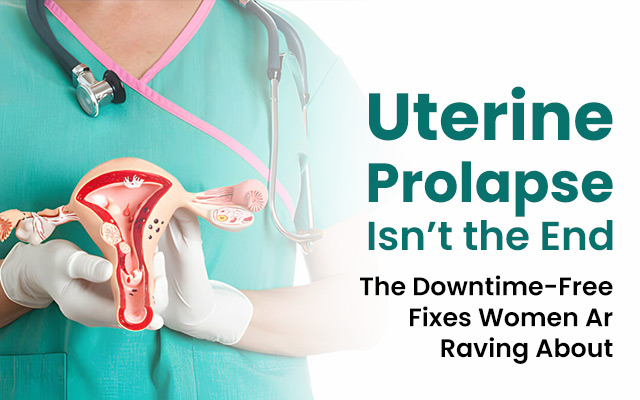
What if you could fix uterine prolapse without surgery, pain, or putting your life on pause? Women today are choosing faster, safer, and smarter ways to heal.
When pelvic muscles weaken after childbirth or menopause, the uterus can slip and cause discomfort. Innovative, non-invasive therapies like laser tightening and pelvic toning rebuild support. It requires no downtime.
This blog explores what causes uterine prolapse, the best non-surgical fixes available in 2025, and how modern women are reclaiming control of their pelvic health without surgery.
What is Uterine Prolapse?
Uterine prolapse occurs when the uterus moves down from its normal position due to weak or stretched pelvic floor muscles. It can range from mild (hardly noticeable) to severe (visible bulging).
Understanding How and Why It Happens
The uterus is held in place by muscles, ligaments, and connective tissue. When these supports weaken, the uterus starts to shift or drop downward. Common causes include:
- Childbirth: Vaginal deliveries can stretch or tear pelvic tissues.
- Ageing: Muscles naturally lose tone over time.
- Hormonal changes: Reduced estrogen after menopause weakens support structures.
- Chronic strain: Persistent coughing, obesity, or heavy lifting increases pressure on the pelvis.
Common Risk Factors (Pregnancy, Age, Lifestyle)
You may be at higher risk if you:
- Have had multiple vaginal deliveries
- Are post-menopausal
- Have a family history of uterine prolapse.
- Overweight or frequently lifting heavy objects
- Have had previous pelvic surgery
Symptoms That Shouldn’t Be Ignored
Watch for:
- A feeling of heaviness or pressure in the pelvis
- Pain in the lower back
- Bulge in the vagina
- Urinary incontinence or difficulty passing urine
- Discomfort during intercourse
Why Women Are Seeking Non-Surgical Solutions
Concerns About Surgery and Recovery Time
Traditional surgery often involves
- Anaesthesia,
- Stitches and
- Weeks of rest.
Many women hesitate because they can’t afford to take that much time off work or family life.
Wanting Faster, Low-Impact Options
Modern women prefer downtime-free prolapse treatments that let them continue their daily routine. Non-surgical care fits perfectly into busy lifestyles, providing comfort without disruption.
Advances in Women’s Health Treatments
2025 has brought remarkable progress. From laser therapy to energy-based muscle toning, these women’s health innovations for prolapse offer results once reserved for surgery.
Downtime-Free Fixes for Uterine Prolapse
Pelvic Floor Therapy & Targeted Exercises
It is also known as Kegel exercises, which strengthen the muscles that support the uterus.
Benefits include:
- Improved bladder control
- Better core strength and posture
- Prevention of worsening prolapse
Doctors often combine this with biofeedback training, which helps patients identify and strengthen the right muscles effectively.
Vaginal Pessaries
A vaginal pessary for uterine prolapse is a small silicone ring inserted to support the uterus.
It’s:
- Non-surgical and reversible
- Easy to fit and remove
- Ideal for women avoiding or delaying surgery
With regular cleaning and follow-up, it provides long-term relief without complications.
Laser & Radiofrequency Therapy for Pelvic Support
These advanced therapies gently heat the vaginal tissue to stimulate collagen and strengthen natural support structures.
Key advantages:
- No anaesthesia or downtime
- Short sessions (30–45 minutes)
- Noticeable improvement in tightness and support
This is one of the best non-surgical fixes for uterine prolapse and is widely used for early-stage cases.
Lifestyle Modifications That Make a Difference
Simple habits can make a huge impact:
- Maintain a healthy weight to reduce pressure on pelvic muscles.
- Avoid constipation by increasing fibre intake and staying hydrated.
- Exercise regularly, focusing on core and pelvic floor strength.
- Quit smoking, as a chronic cough can worsen prolapse.
At Long Life Speciality Clinic, gyno surgeons in Mukundapur guide women through effective, non-surgical treatments for prolapse.
The Role of Minimally Invasive Treatments
How Outpatient Procedures Are Changing Care
Today’s minimally invasive treatments require no hospital admission. Women can walk in for treatment and resume daily activities immediately after.
What Recovery Really Looks Like
Most patients report:
- Immediate relief from pressure and heaviness
- Zero downtime
- A return to normal activity on the same day
Success Rates and Patient Experiences
Research shows high success and satisfaction rates for uterine prolapse treatment without surgery. Many women describe feeling stronger and more confident within weeks.
Rediscover Strength Without Surgery
Uterine prolapse no longer means discomfort or downtime. Modern, gentle treatments like laser therapy, pessaries, and pelvic floor training offer real relief safely and effectively. You deserve to feel confident, strong, and pain-free every day.
Book Your Consultation Today
If you’re feeling pelvic pressure, heaviness, or urinary issues, don’t wait. Contact Long Life Speciality Clinic for a gynaecology surgeon in Mukundapur.