
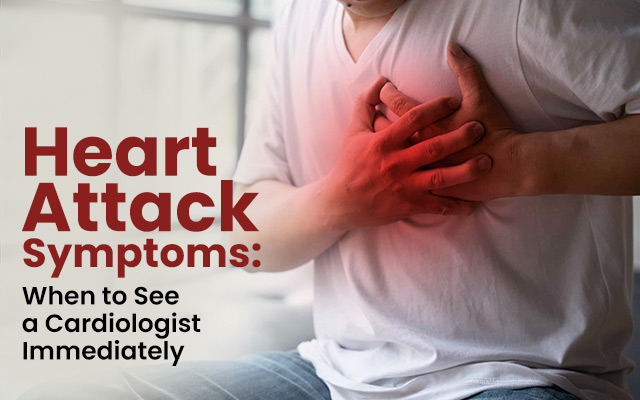
A heart attack doesn’t always arrive with chest pain. Sometimes, it starts quietly with fatigue, a bit of breathlessness, or a feeling of unease. But no matter how it starts, early signs of a heart attack should never be ignored.
Recognising the symptoms early and consulting a specialist can make the difference. This blog explains how to spot the warning signs and understand risk factors. You will know when to see a cardiologist.
Understanding Heart Attack Symptoms
A heart attack occurs when blood flow to the heart is blocked, often due to a clot in the coronary artery. As a result, part of the heart muscle doesn’t get enough oxygen and begins to die.
Here are the most common heart attack symptoms:
- Pressure, tightness, or pain in the chest
- Pain radiating to the arms, neck, jaw, or back
- Nausea or lightheadedness
- Shortness of breath
- Cold sweat
Chest discomfort is one of the top causes of chest pain, but not all chest pain is cardiac. That’s why proper diagnosis is essential.
Silent Heart Attack Warning Signs
Not all heart attacks are dramatic. Some people—especially women, diabetics, and older adults—experience a silent heart attack with subtle symptoms such as:
- Unusual fatigue
- Mild chest pressure or discomfort
- Indigestion-like sensation
- Lightheadedness or fainting
These are often mistaken for acidity, anxiety, or just “feeling off.” But they are silent heart attack warning signs that need immediate attention.
When to See a Cardiologist?
Don’t wait for a full-blown emergency. Consult a heart specialist if you:
- Have frequent chest discomfort
- Experience dizziness and heart disease symptoms like fainting
- Notice shortness of breath during simple activities
- Have a family history of heart issues
- Are a smoker, diabetic, or hypertensive
- Lead a stressful or sedentary lifestyle
At Longlife Speciality Clinic, some of the best cardiologists in Mukundapur offer early screening, lifestyle counselling, and diagnostic support to detect heart problems before they escalate.
Diagnostic Tools: ECG and More
An ECG for heart attack detection is often the first test your doctor will recommend. It shows the electrical activity of your heart and can help detect past or ongoing heart attacks.
Other tests include:
- Echocardiogram (ultrasound of the heart)
- Blood tests (like troponin levels)
- Stress tests
- Coronary angiography (if blockage is suspected)
Know the Risk Factors for Heart Attack
Several factors raise your chances of having a heart attack:
- High blood pressure and cholesterol
- Diabetes
- Smoking and alcohol
- Obesity
- Family history
- Lack of physical activity
- Chronic stress or anxiety
Managing these with regular health checkups is vital for heart disease prevention.
Emergency Treatment for Heart Attack
If someone is experiencing severe chest pain or collapses:
- Call emergency services immediately
- Give them an aspirin if advised
- Start CPR if the person is unresponsive
- Avoid delaying hospital care at all costs
Longlife Speciality Clinic, located in Mukundapur, offers immediate cardiac care with modern emergency response, advanced diagnostic tools, and expert heart specialists available for urgent intervention.
Don’t Ignore the Early Signs
Your heart gives warnings. The key is to listen.
Even mild symptoms like shortness of breath, chest discomfort, or dizziness shouldn’t be ignored. Early detection, lifestyle changes, and expert advice from cardiologists can significantly reduce your risk.
Book Your Heart Checkup Today at Long Life Speciality Clinic
Whether it’s routine screening or urgent evaluation, trust the experienced cardiology team at Longlife Speciality Clinic. Stay ahead of heart issues—because prevention is always better than an emergency.
Book your appointment at Longlife Speciality Clinic to get treated by the top cardiologist in Mukundapur.
FAQs on Heart Attack & Cardiology
Q1: Can you have a heart attack without chest pain?
Yes. Especially in women and diabetic patients, symptoms can be silent or feel like indigestion, fatigue, or dizziness.
Q2: Is an ECG enough to detect a heart attack?
Not always. While it’s a key test, doctors may recommend blood tests or imaging for confirmation.
Q3: How often should I see a cardiologist if I have risk factors?
At least once a year, or as advised based on your blood pressure, cholesterol, or existing conditions.